
Your Guide to Employee Expense Reimbursement in the UAE

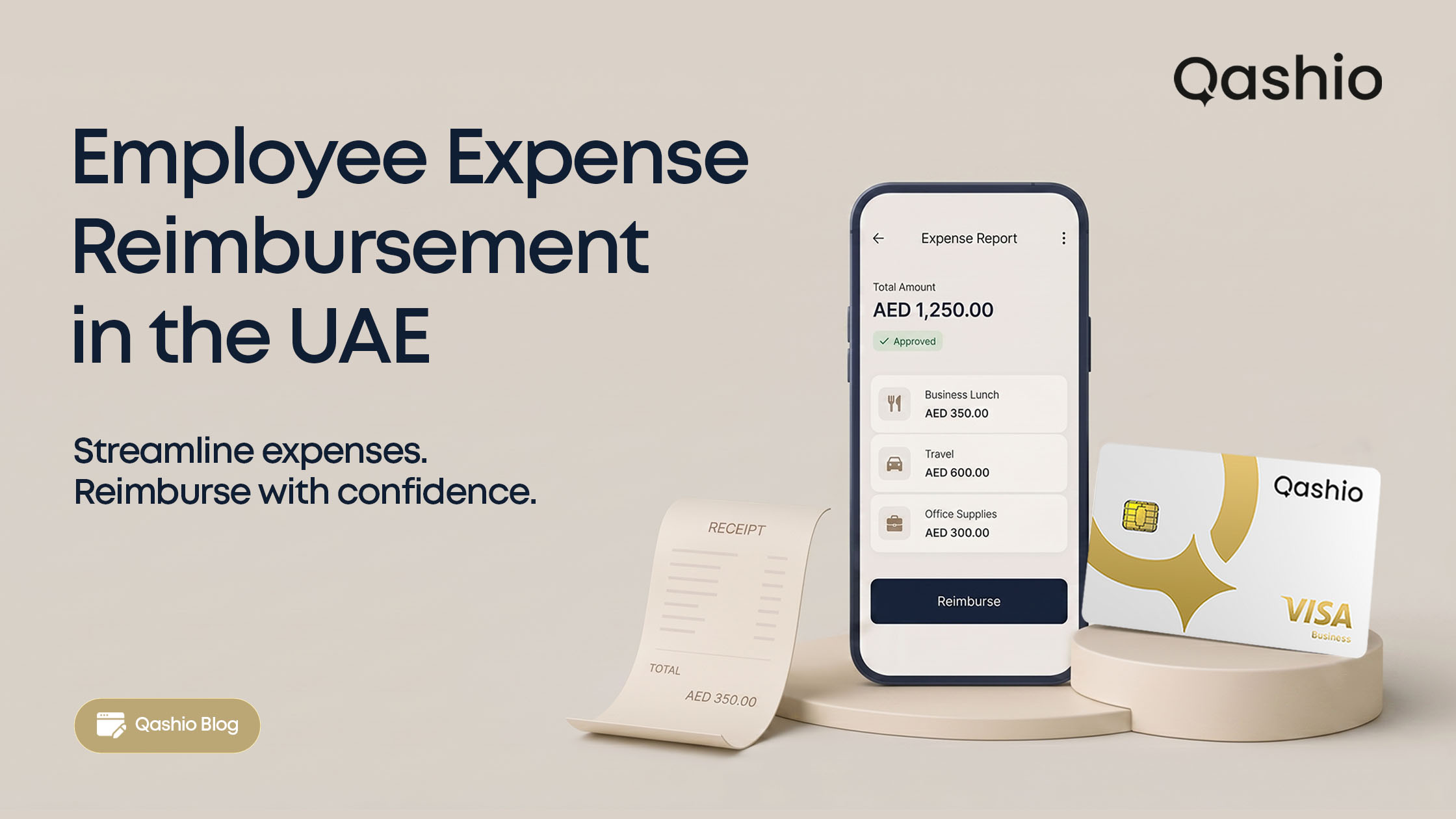
Managing employee expenses efficiently is essential for maintaining financial transparency and employee satisfaction. A clear and organized employee reimbursement UAE system helps businesses process claims accurately, control spending, and ensure compliance with internal policies.
In this guide, we’ll explain the full reimbursement process UAE companies typically follow, best practices for managing reimbursements, and how businesses can automate expense handling.
What is Employee Expense Reimbursement?
Employee expense reimbursement is the process through which companies repay employees for approved business-related expenses they paid personally.
Common reimbursable expenses include:
- Business travel
- Client meetings
- Fuel and transportation
- Accommodation
- Office supplies
- Meals during business activities
A structured reimbursement process ensures employees are compensated fairly while companies maintain financial control.
Why a Clear Reimbursement Process in the UAE Matters
Without a defined reimbursement policy in the UAE, businesses may face:
- Delayed repayments
- Expense disputes
- Inconsistent approvals
- Budget overruns
- Fraud risks
An organised reimbursement system improves:
- Employee trust
- Expense visibility
- Approval efficiency
- Audit readiness
As businesses in the UAE continue to digitise finance operations, automated reimbursement systems are becoming increasingly popular.
The Reimbursement Process UAE Businesses Typically Follow
Step 1: Employee Submits Expense Claim
Employees submit expense details along with receipts and supporting documentation.
Most companies use:
- Digital expense platforms
- Mobile apps
- An expense reimbursement form (UAE-compliant)
The submission usually includes:
- Expense category
- Amount spent
- Date of purchase
- Business purpose
Step 2: Managerial Review and Approval
The claim is reviewed to ensure:
- Expenses comply with company policy
- Receipts are valid
- Spending limits are respected
Organisationsoften implement spend approval workflows for UAE businesses to speed up approvals and improve accountability.
Step 3: Finance Team Verification
The finance department verifies:
- Tax compliance
- Expense categorisation
- Duplicate claims
- Budget availability
This step helps reduce errors and prevent fraudulent reimbursements.
Step 4: Employee Reimbursement Payment
Once approved, the employee receives reimbursement through:
- Bank transfer
- Payroll adjustment
- Digital payment systems
Timely payments improve employee satisfaction and operational efficiency.
Reimbursement Policy in the UAE: What Should It Include?
A strong reimbursement policy in the UAE helps standardise expense handling across the organisation.
A good policy should clearly define:
- Eligible expenses
- Spending limits
- Approval hierarchy
- Submission deadlines
- Required documentation
- Reimbursement timelines
Clear policies reduce confusion and improve consistency.
How to Reimburse Employees in the UAE Efficiently
If you’re wondering how to reimburse employees UAE operations effectively, here are some best practices:
Digitise Expense Claims
Avoid paper forms and spreadsheets whenever possible.
Set Approval Workflows
Automated approvals reduce delays and improve tracking.
Use Real-Time Expense Monitoring
This helps finance teams monitor budgets continuously.
Standardise Documentation
Require employees to upload receipts for every claim.
Automate Reporting
Digital systems simplify accounting and audits.
Reimbursement vs Expense Card
Many businesses compare reimbursement vs expense card systems when managing employee spending.
Traditional Reimbursement
Employees pay expenses personally and request repayment later.
Pros:
- Simple setup
- Suitable for occasional expenses
Cons:
- Delayed reimbursements
- Administrative workload
- Limited spending visibility
Corporate Expense Cards
Companies provide prepaid or controlled expense cards directly to employees.
Using corporate expense cards for UAE teams offers several advantages:
- Real-time expense tracking
- Spending controls
- Reduced reimbursement claims
- Faster accounting reconciliation
Many UAE businesses now combine expense cards with automated approval systems to modernise spend management.
Benefits of Automating Employee Reimbursement
Automation helps businesses:
- Reduce manual processing
- Accelerate approvals
- Improve policy compliance
- Eliminate paperwork
- Gain better expense visibility
Automated reimbursement systems also reduce finance team workload and improve employee experience.
FAQs
How long does reimbursement take in the UAE?
The reimbursement timeline varies by company policy. Some businesses process claims within a few days, while others may take several weeks depending on approval complexity and payroll cycles.
What expenses can be reimbursed in the UAE?
Common reimbursable expenses include:
- Travel expenses
- Accommodation
- Meals during business activities
- Transportation
- Office supplies
- Client entertainment
Eligibility depends on the company’s reimbursement policy.
Is there a standard reimbursement policy for UAE companies?
No universal policy exists across the emirates. Each organisation creates its own reimbursement policy in the UAE based on industry, company size, and operational needs.
Can reimbursement be automated?
Yes. Modern expense management systems can automate expense submissions, approvals, tracking, and reimbursements, significantly reducing manual work and processing time.
Conclusion
A well-structured system for employee reimbursement in the UAE helps businesses improve operational efficiency, strengthen financial control, and enhance employee satisfaction. By implementing a clear reimbursement process in the UAE, standardising policies, and adopting digital tools, organisations can simplify expense management and reduce administrative burdens.
As UAE companies continue embracing financial automation, integrated expense management platforms and corporate expense cards are becoming essential tools for modern business operations.
.png)
Latest Posts
.jpg)
Spend Smarter, Not Harder.
Book a Demo

كيف يمكننا مساعدتك اليوم؟


